Staunton, Virginia
Frontier Culture Museum: Hands-On History and One Very Large Pig
Frontier Culture Museum gave us a few lovely hours of historic homes, animals, conversations, and hands-on learning.
Wayward Rating
The interpreters made us want to linger. She made room for his curiosity and helped him participate. We are looking forward to another visit.
We bought a pig before we even knew we would meet one.
The gift-shop version was small enough to take home. The real one was massive, and our Littlest Wayfinder loved him immediately. Apparently, our souvenir shopping had been a bit of foreshadowing.
Frontier Culture Museum gave us a few lovely hours of historic homes, animals, conversations, and hands-on learning. We left with an annual pass and every intention of coming back.
The Road So Far
Our first challenge was figuring out where to go.
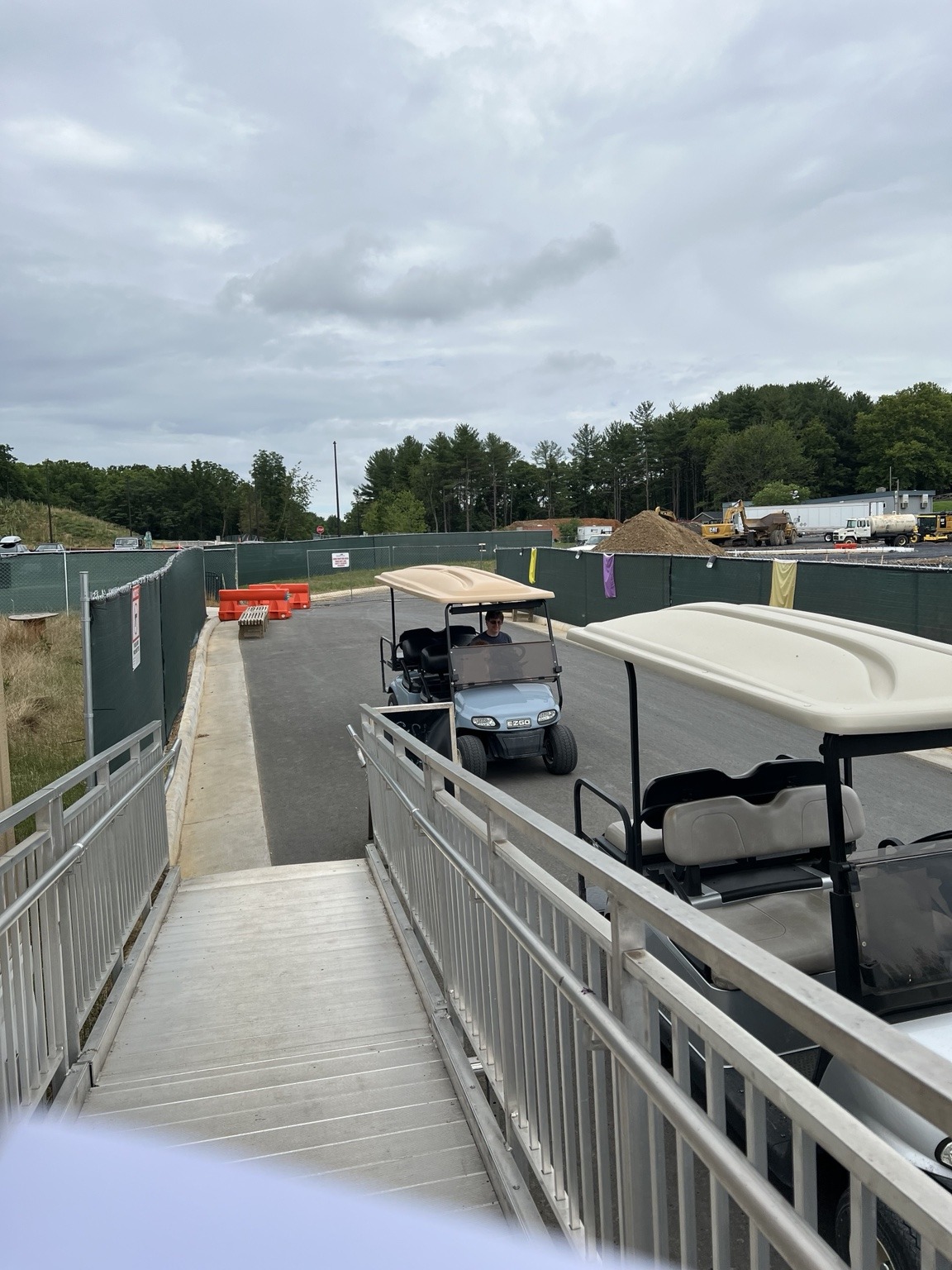
During our visit, construction on a new building made the parking area a little confusing. Tickets were being sold from a temporary trailer, where visitors could also rent a golf cart when one was available.
Once we had our pass, our cart, and our premature pig purchase, we wound through the orange-barrier maze and headed into the museum grounds.
Consider that description a snapshot of our visit. Construction arrangements can change, so the entrance may look different when you arrive.
A Few Hours in Other People's Everyday Lives
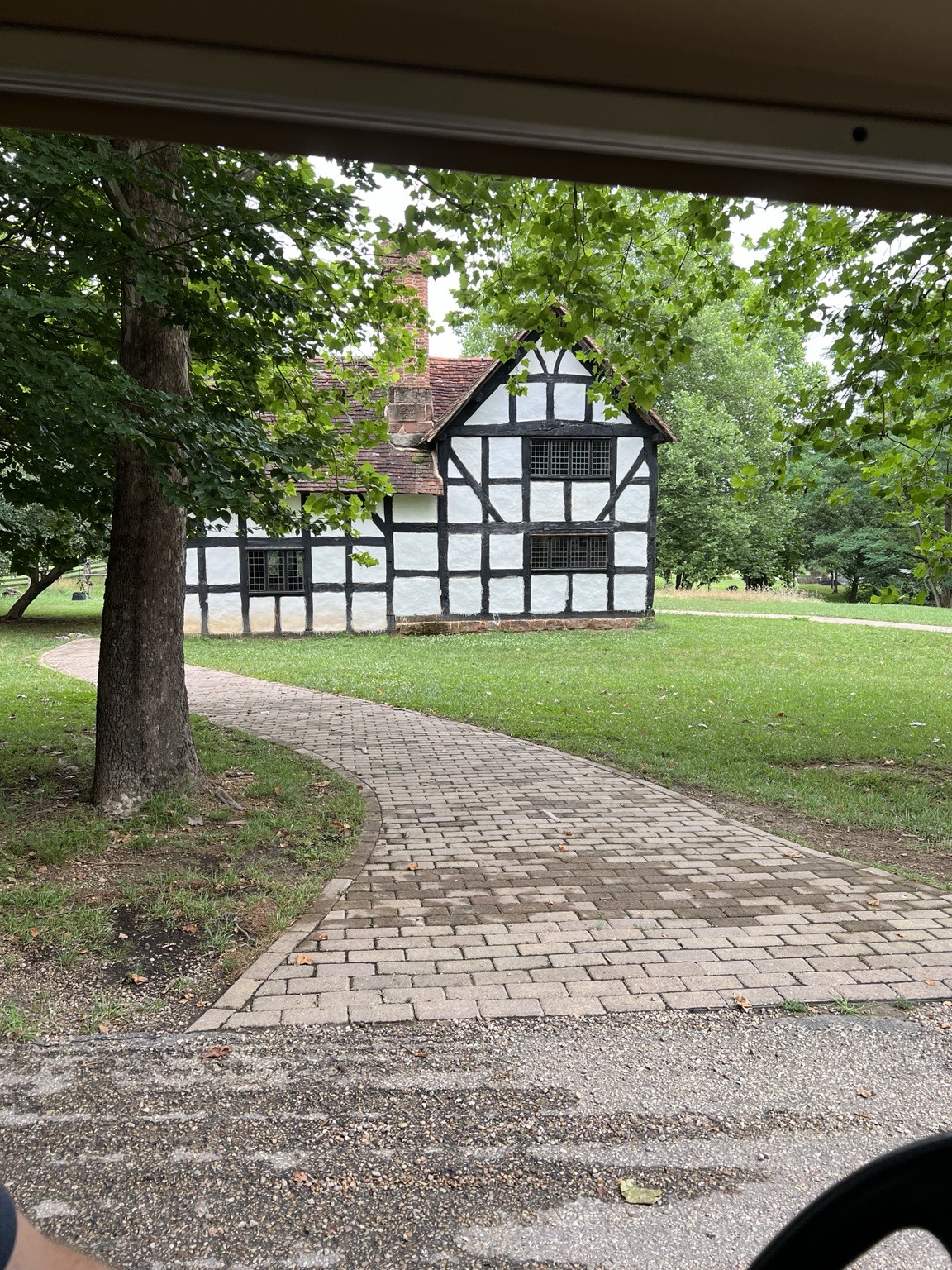
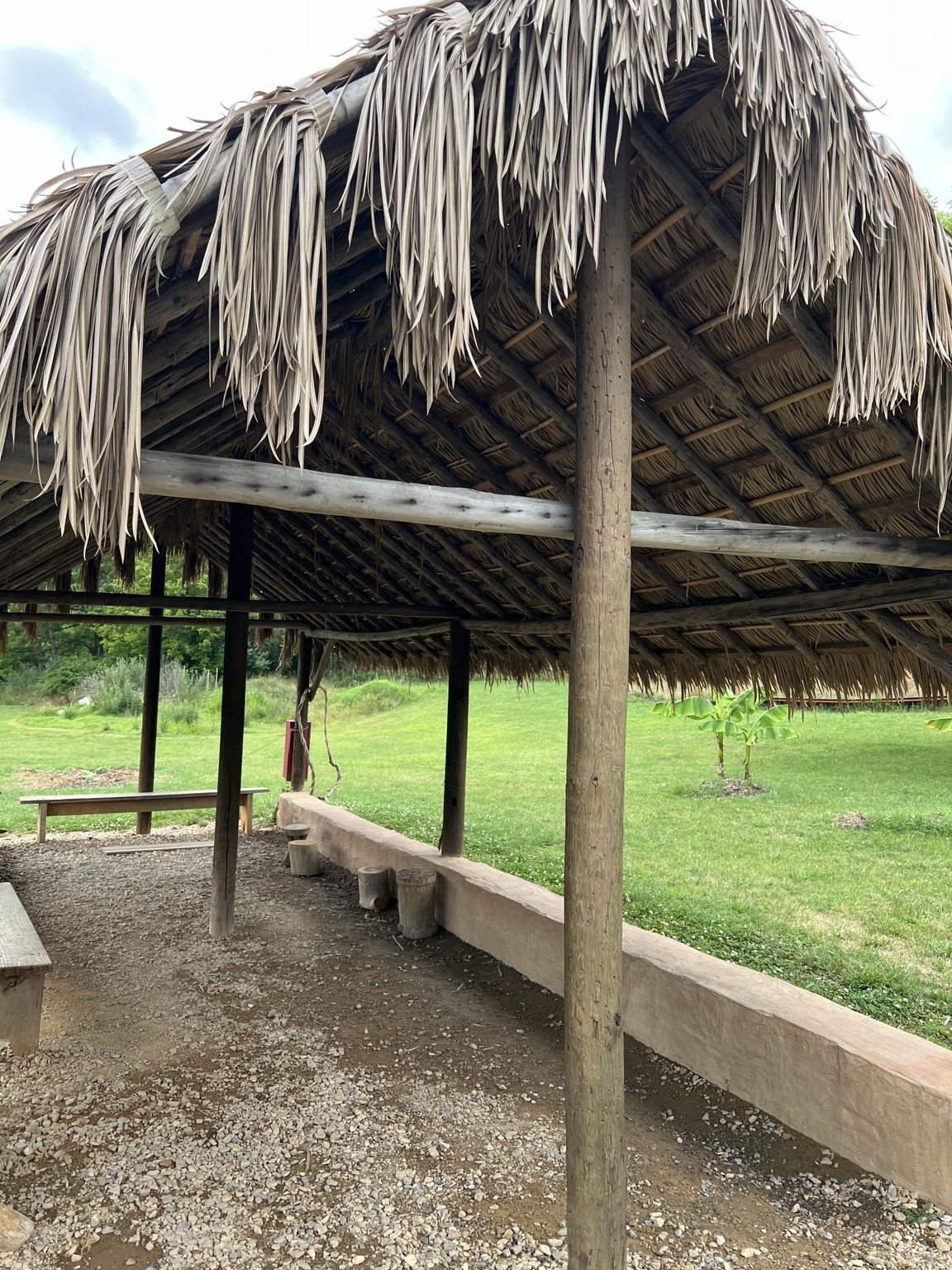
The grounds are lovely, and the museum is spread over a substantial area. Along our route, we moved through different kinds of structures, from simpler dwellings to more elaborate homes. Several of the buildings are historic structures relocated to the museum, which added something special to exploring them.
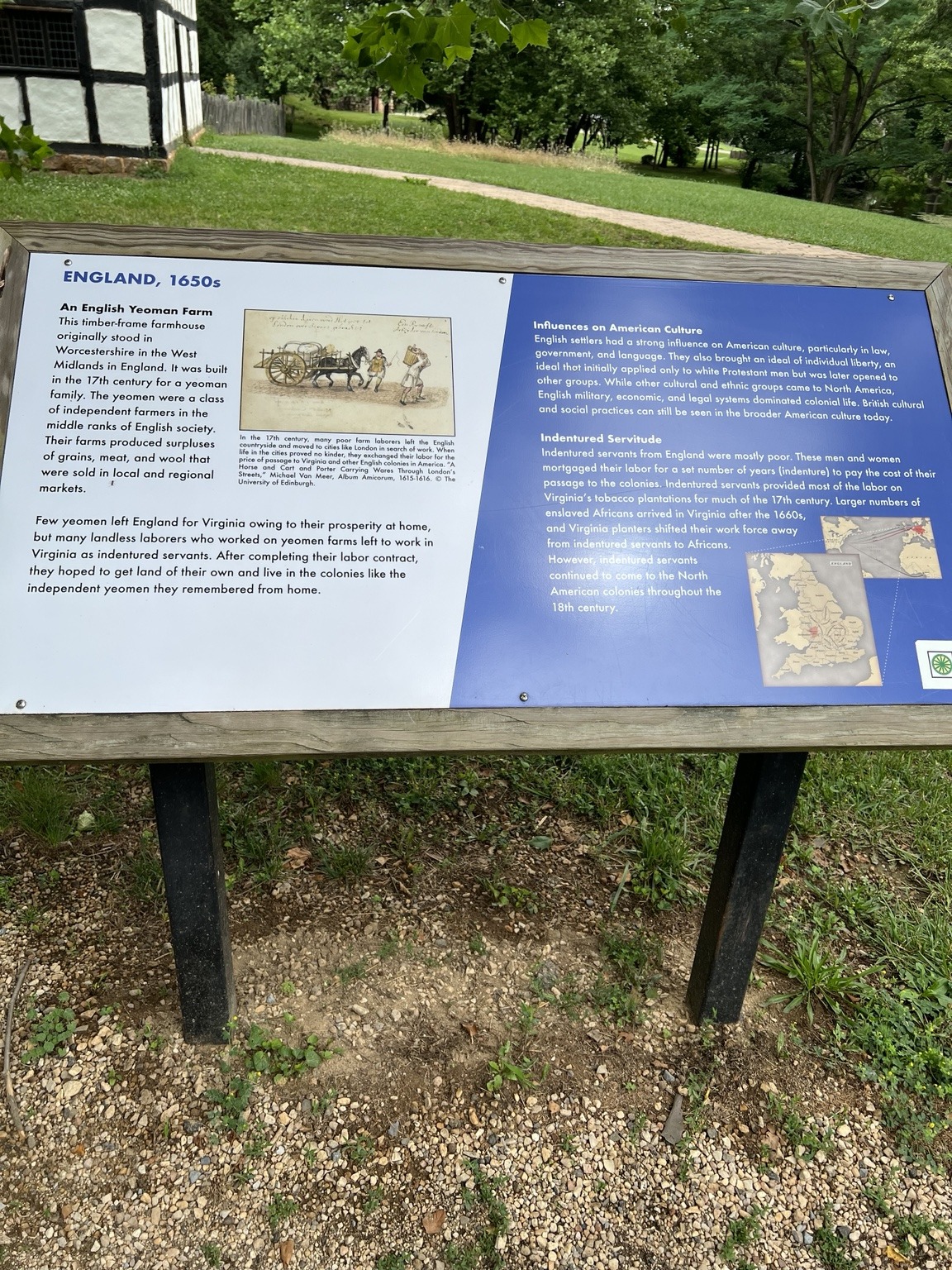
The museum's foundation explains that the exhibits include relocated or reproduced rural buildings from England, Germany, Ireland, West Africa, and America. That gives visitors a way to explore the different cultural traditions behind the museum's story.
For us, the costumed interpreters made those spaces especially enjoyable. They stayed comfortably in their roles and were a pleasure to talk with. The conversations gave us reasons to pause and pay attention to the work and tools around us.
One interpreter demonstrating wool processing was exceptionally patient with our Littlest Wayfinder. He had approximately a million questions about her tools, accompanied by a strong desire to investigate them personally.
She gave him a hands-on demonstration of carding wool. He loved it.
That moment stands out as one of the best parts of the day. She made room for his curiosity and helped him participate. For a small child, getting to try something can make a much bigger impression than hearing an explanation alone.
A Fiddle and a House With a Story
Another interpreter gave us a fiddle demonstration inside one of the relocated historic homes. She played beautifully and knew a great deal about the history of the home itself, which we remember as having been brought from the Roanoke area.
It gave us another reason to linger. We had music to enjoy, a historic home to explore, and someone who could tell us about the place around us.
Between her performance and the wool demonstration, the interpreters gave us some of the most memorable moments of the visit.
Back to School
The schoolhouse was another particularly interesting stop.
Seeing a classroom where children of different grades learned together in one room gave us a concrete picture of early American education. It is easy to hear “one-room schoolhouse” and move on. Standing inside one makes you stop and think about the practicalities of teaching everyone together.
Between the homes, demonstrations, and school, there was plenty to hold our attention. We spent a few hours exploring with the golf cart. On foot, we would have needed longer.
Littlest Wayfinder Report
There were sheep. There were pigs. There were chickens. There were cats.
Our Littlest Wayfinder intended to befriend every single one of them.
The enormous pig was a particular favorite, although the rest of the animal population received plenty of interest too. Add the wool-carding demonstration, and he had both new acquaintances and a new activity to investigate.
The cats deserve a mention of their own. These are working museum cats, helping with pest control, although their duties apparently permit naps in a variety of places. That includes beds inside some of the frontier homes on display.
Historic accommodations. Convenient workplace. Excellent nap opportunities.
The animals and the interpreter's patience helped make this a very enjoyable family outing. Our little explorer had plenty to engage with while we enjoyed the history around him.
Trail Review: The Golf Cart Made a Difference
The paths we used were nice and well maintained, with places to sit at nearly every station. Even so, the distance between exhibits adds up.
We paid $25 for the golf cart for the day during our visit, and it was a welcome addition to our visit. It made exploring such large grounds much easier for our family.
Transportation between stops can make the outing more manageable for visitors who prefer less walking.
The museum's visitor information says rental carts are available on a first-come, first-served basis. It also describes wheelchair- and scooter-accessible museum paths and a separate shuttle service. Those are useful options to investigate when planning a visit with someone who has limited walking endurance. Our experience with the paths does not establish access to every historic building.
We had pleasantly cool weather. On a hot day, the same outing could feel quite different. This is an outdoor museum, and comfortable weather was part of what made our day so enjoyable.
Restroom Review
The restrooms we used were very clean.
They were easy to locate using the map we received, although there was not a restroom at every stop. Keep that map handy, especially when traveling with a small companion whose advance notice can be somewhat unreliable.
Gift Shop Guide
The gift shop was small, but it successfully supplied us with a pig before our animal encounters had even begun.
We cannot offer an extensive inventory or a price comparison from this visit. We can confirm that it contained at least one item our family considered worth bringing home.
The souvenir pig also turned out to be an unexpectedly appropriate choice once our Littlest Wayfinder met its much larger counterpart.
Water and a Little Cash
There was a place to buy water onsite during our visit, but you needed cash.
Bring water and a little cash of your own rather than assuming every purchase can go on a card. Our cash-only observation applies to that water purchase option on the day we visited, not to the museum's ticket-payment policy.
Membership Math
- One person
- $30
- Four people
- $45
- Six people
- $70
- Twelve people
- $100
We purchased an annual pass because we wanted to return.
The museum's official ticket page lists these annual-pass prices:
That page lists adult general admission at $12 and admission for children under six as free. For two adults and a child under six, two ordinary visits would total $48 in admission. Against the listed $45 four-person pass, the pass would cost slightly less by the second visit. This comparison excludes golf-cart rentals and other purchases.
We have not confirmed our own pass tier or exact purchase amount, so those listed prices should not be read as a record of what we paid. Check current prices and the terms for bringing additional visitors when choosing a pass.
Know Before You Go
- Allow several hours. We spent a few hours with a golf cart, and walking would have extended our visit.
- Ask about cart availability when you arrive. We paid $25 for the day during our visit; confirm the current rental fee.
- Use the map to locate restrooms. They were clean and easy to find, but they were not at every exhibit.
- Bring water and some cash. The water purchase option we encountered required cash.
- Consider the weather. Our cool day was comfortable; a hot day could make the distances more demanding.
- Make time to talk with the interpreters. Their interactions were a highlight for us.
- Our temporary ticket trailer and orange barriers reflect construction arrangements during our visit. Entrance arrangements can change.
Was It Worth the Drive?
Absolutely.
After navigating the construction area, we had a great visit. The grounds were lovely, the interpreters were enjoyable, the facilities we used were clean, and our Littlest Wayfinder found plenty to interest him.
We would go again. We bought an annual pass to make that easier.
Final Thoughts
The memories we brought home were wonderfully specific: a patient woman showing our child how to card wool, a talented interpreter playing the fiddle and sharing a home's history, a schoolhouse that made us think about education differently, cats sleeping in historic beds, and a pig large enough to leave a serious impression on a little boy.
The golf cart made the grounds easier to explore. The interpreters made us want to linger.
We are looking forward to another visit. The Littlest Wayfinder may have some friendships to follow up on.
Sources and Visitor Information
Our family experiences above come from our visit. The following sources support the museum background, visitor services, and listed prices. Check current prices and visitor information before you go.
End of Destination Review · Wayward Wayfinders